
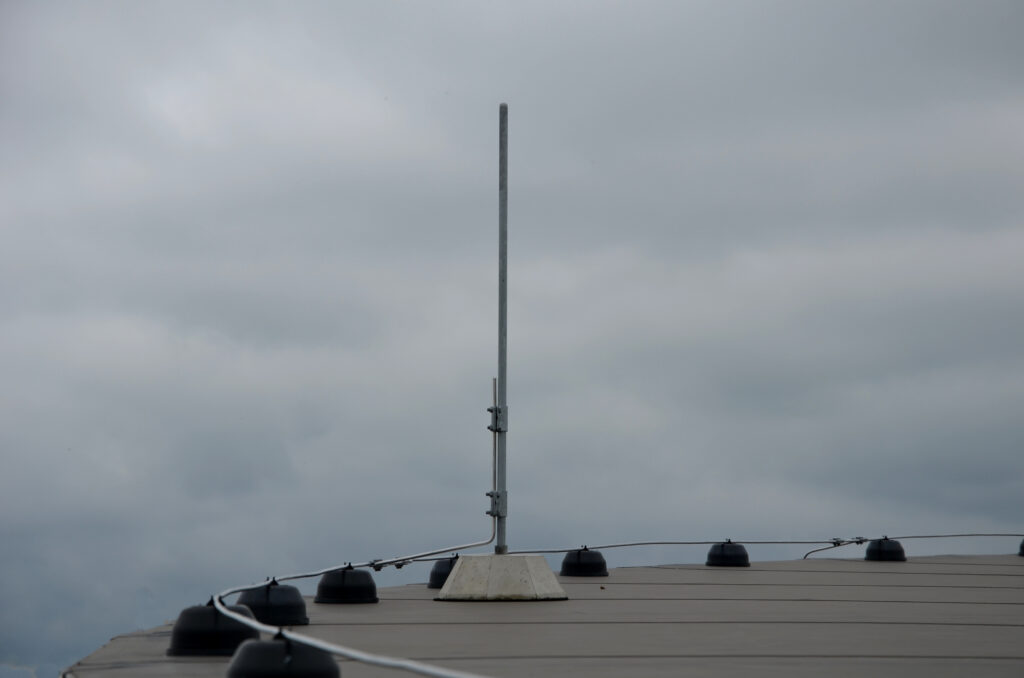
Lightning. A magnificent yet unbelievably deadly force of nature. Protecting against lightning strikes is essential, particularly in extreme environments such as remote locations, heavy industrial sites, critical infrastructure and old or complex building structures.
Lightning is a natural phenomenon that brings intense danger with every strike. A direct or nearby strike might cause significant damage to property and people.
However, the risks of lightning strikes are even higher in settings such as those mentioned above. Conventional protection measures may not be enough to mitigate the risk of damage.
This blog explains the increased risks of lightning strikes in extreme environments and discusses preventative steps to prepare for them.
The challenges of lightning in extreme environments
Lightning is always somewhat challenging to address, but these problems get multiplied in extreme environments. Here are just a few of the issues you might come across:
- Reaching and maintaining remote locations is difficult.
- Complex electrical systems (such as those on heavy industrial sites) increase the risk of a lightning strike.
- Downtime caused by a lightning strike could be costly (especially in critical infrastructure like airports, hospitals and data centres).
- Thanks to their design, historic buildings might be more at risk of lightning damage – they’ll need specialised protection.
- Many extreme environments involve working at height, increasing the risk of a lightning strike hitting a worker.
Considering these and many more, preparing for lightning strikes in extreme environments is crucial to your site planning or ongoing maintenance.
Specialised lightning protection systems and techniques
We recommend learning more about the specialised lightning protection systems and techniques available to deal with the challenges posed by extreme environments. Lightning still strikes in these areas – in fact, they’re arguably at more risk than average. Please don’t hesitate to reach out for a friendly chat. We’ll happily discuss what solutions would be best for you.
The most well-known techniques include isolated down connectors, Faraday cages and early warning detection systems.
Isolated down conductors are lightning rods placed away from the main structure to divert lightning strikes away from the building. They’re a diversionary tactic, encouraging the lightning to hit them rather than, say, your historic property.
Faraday cages, on the other hand, are enclosures designed to block electromagnetic radiation and protect sensitive electronic equipment from lightning strikes. If lightning strikes a Faraday cage, the charge travels around the outside, leaving the insides untouched.
And early warning detection systems use sensors to detect the approach of lightning strikes. They should provide advance warning to take protective measures. They do nothing to stop strikes physically but allow people time to get to safe areas, prepare backup generators and disconnect vulnerable critical equipment.
Importance of regular maintenance and testing
Regular maintenance and testing are crucial for ensuring the effectiveness of lightning protection systems. Over time, these systems’ electrical and mechanical components naturally experience wear and tear, especially if they’re exposed to the elements and have successfully diverted lightning in the past.
When carrying out maintenance, follow the instructions provided by the installer and prioritise safety. For example, avoid climbing a high ladder during a thunderstorm. In most cases, it’s best to leave maintenance to specialists familiar with working in these environments.
Dedicated professionals should also carry out lightning protection testing. They have all the necessary tools and equipment and a wealth of expertise to ensure the testing is done correctly and safely. Once the test is complete, you’ll receive a certificate. This evidence of your due care might be vital in reducing insurance premiums or displaying to health and safety inspectors.
Can we help?
Lightning protection in extreme environments can be complicated and expensive. Ensuring the safety and durability of vital infrastructure is nevertheless essential.
Lightning Protection Testing UK has over two decades of experience and expertise in this field, allowing us to provide, inspect and test superior lightning protection solutions. We prioritise safety and adhere to strict guidelines for dependable safety, protection and ongoing effectiveness.
Don’t leave your home or business vulnerable to the next storm, even if you feel isolated or work in extreme environments. Contact Lightning Protection Testing UK to safeguard your future from the sheer power of nature.
